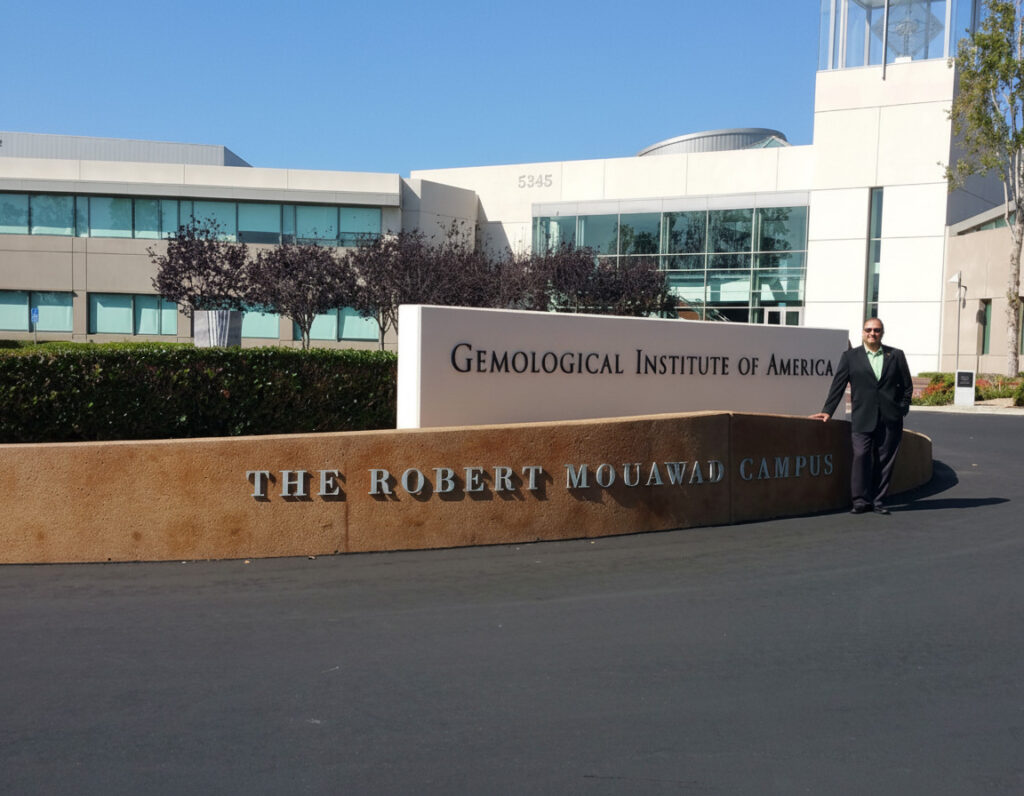
The Gemological Institute of America (GIA) was founded in 1931 by Robert M. Shipley, a jeweler who sought to elevate professional standards in the jewelry industry through education and research. Headquartered in Carlsbad, California, GIA has since become the world’s leading authority on diamonds, colored stones, and pearls.
In 1953, GIA revolutionized the diamond industry by developing the 4Cs grading system (Cut, Color, Clarity, and Carat Weight) and the International Diamond Grading System, which remain the global standards today.
GIA also pioneered gemological research, introducing innovations such as the first gemological microscope, diamond grading reports, and synthetic diamond detection techniques.
With campuses and laboratories worldwide, GIA continues to educate gemologists and protect consumers through its rigorous grading, research, and professional training programs.
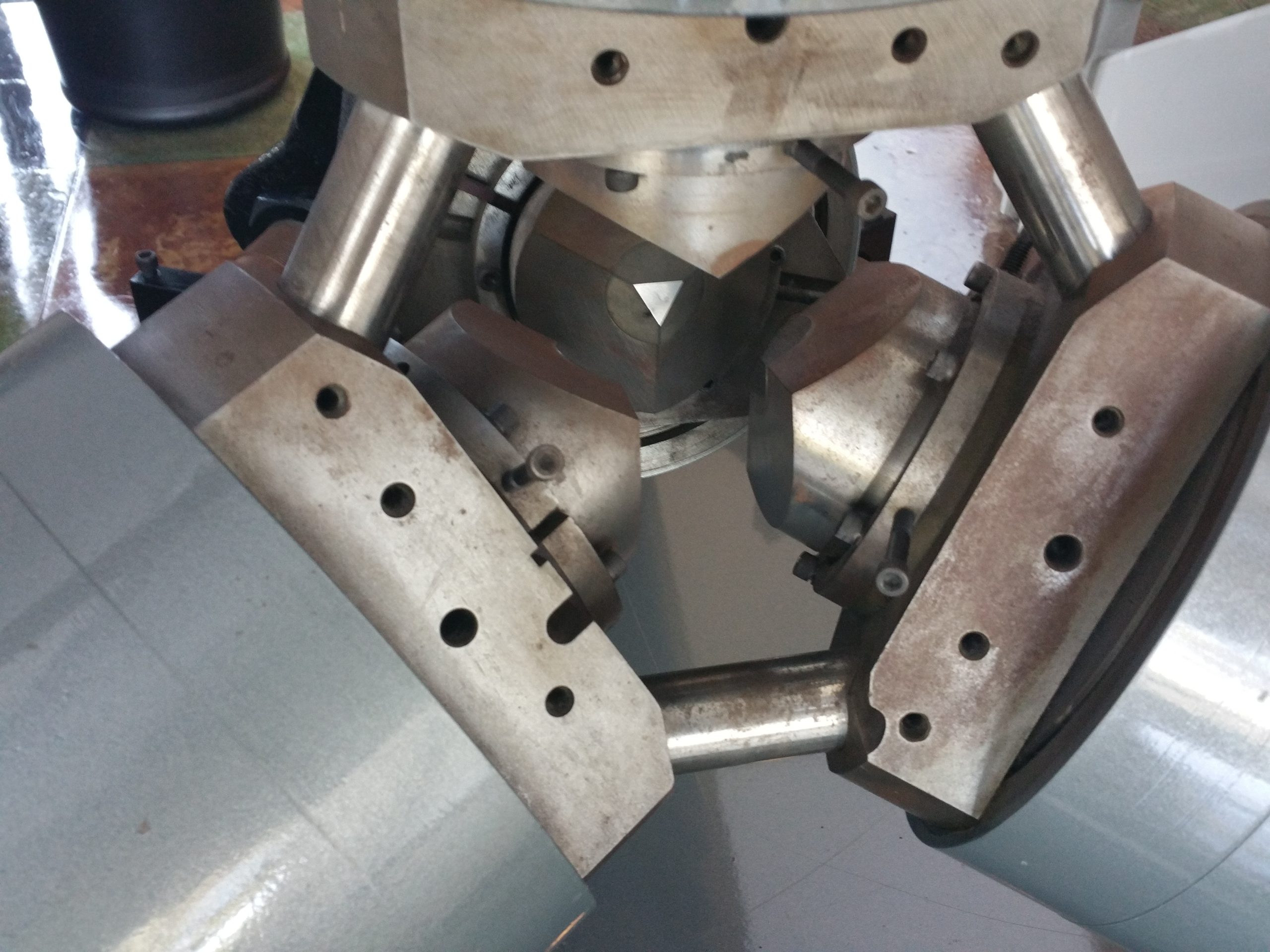
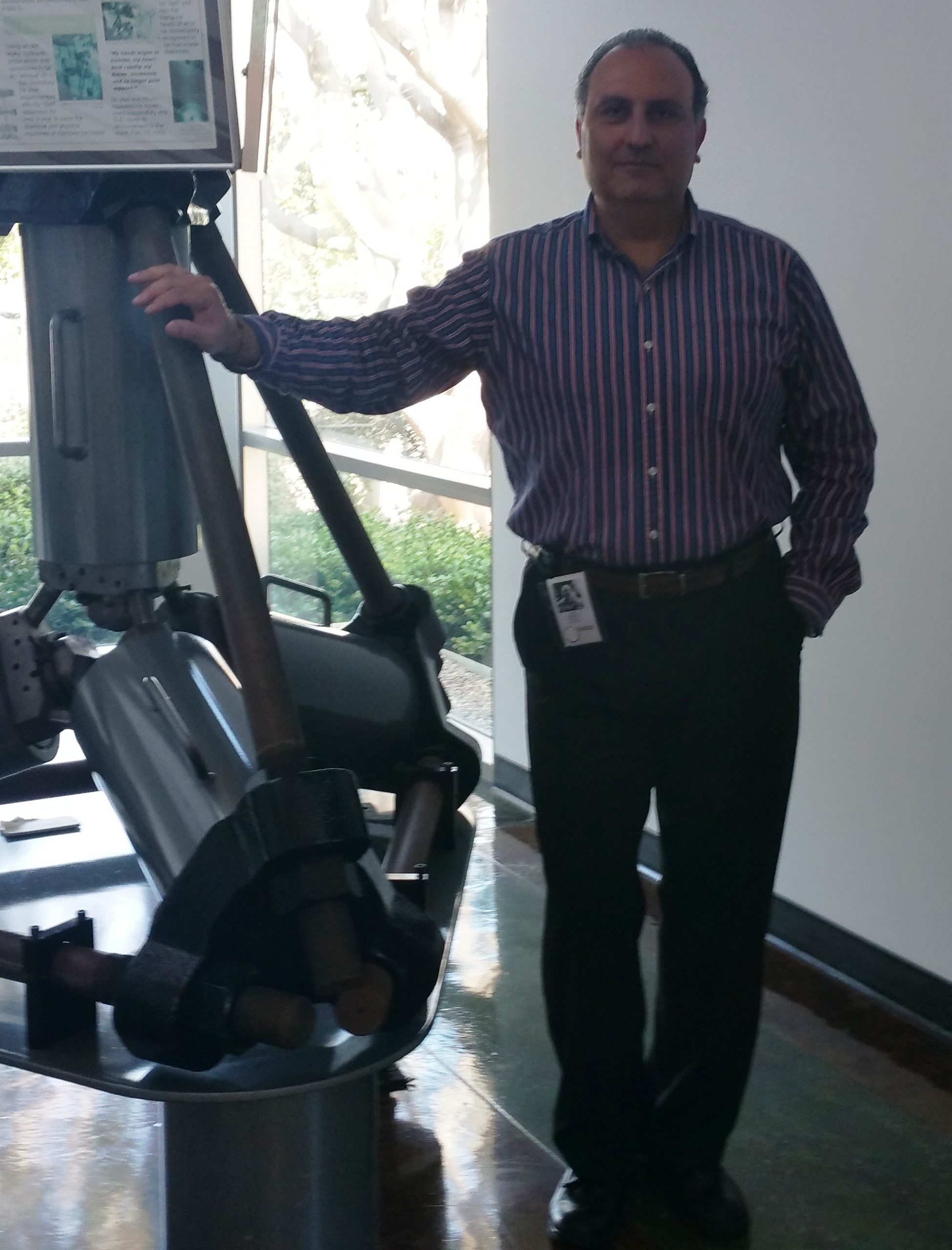
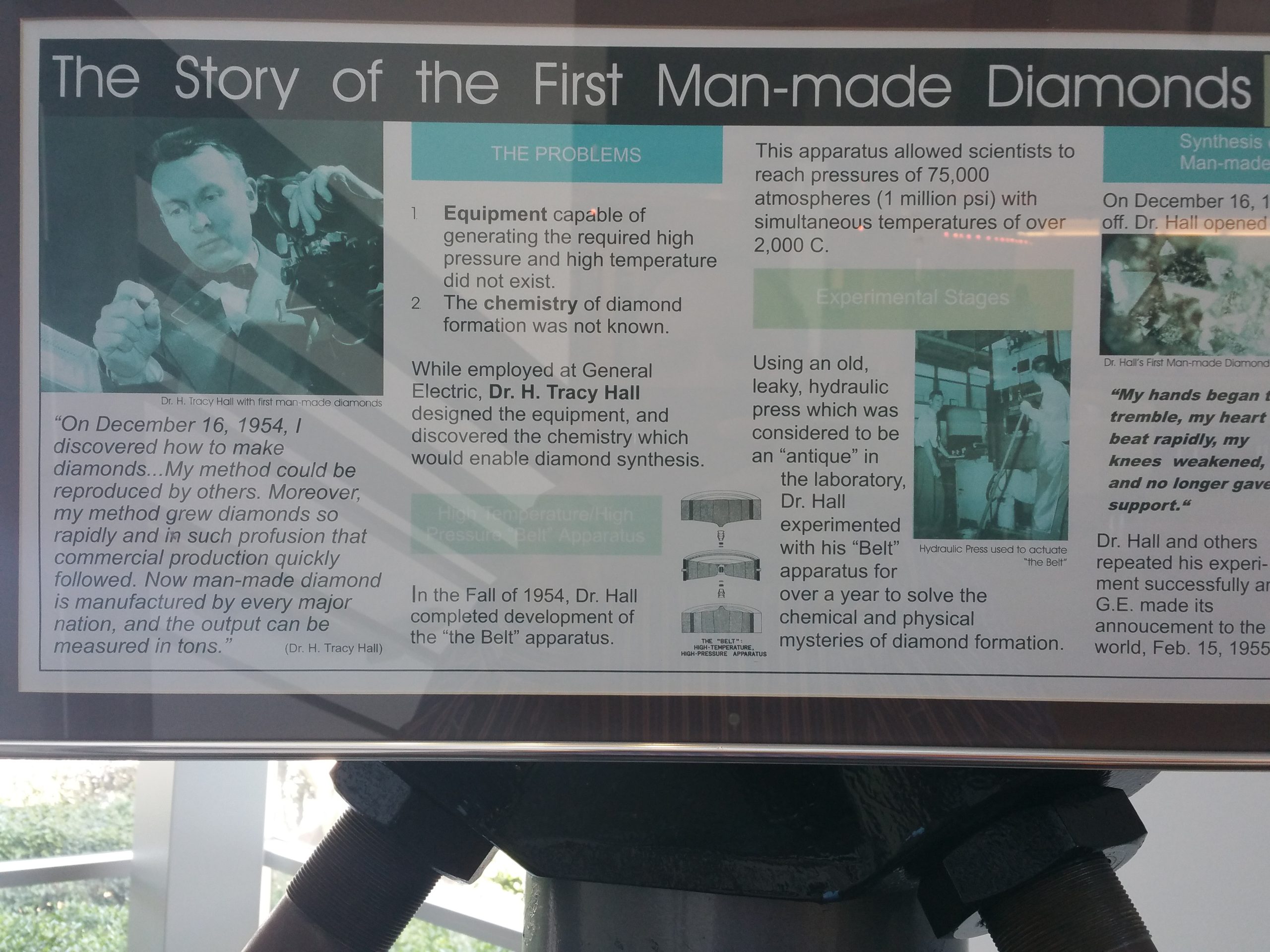
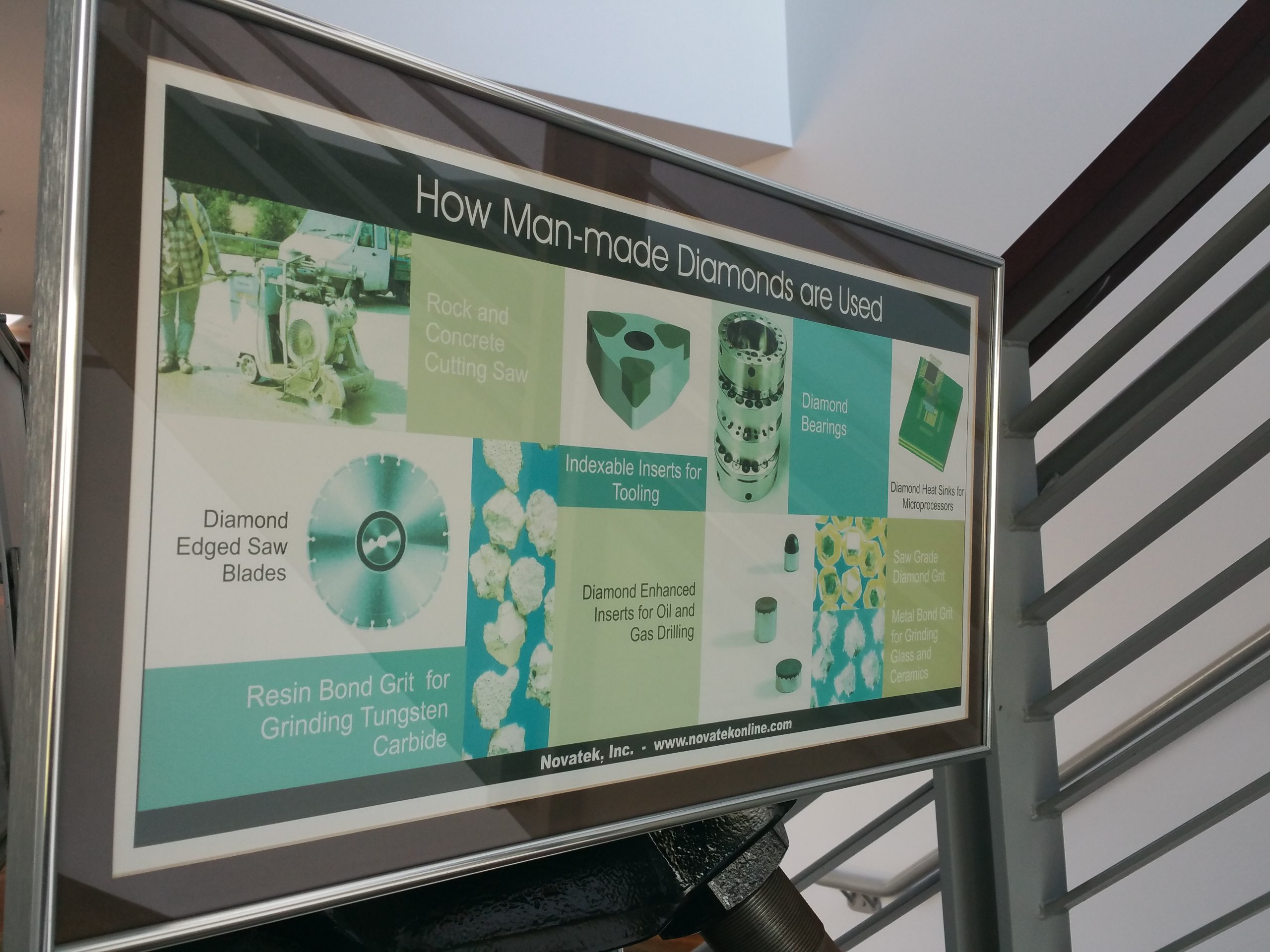
In 2018, when I visited the GIA Campus in Carlsbad, CA. I took some photos of the GE apparatus on display.
Howard Tracy Hall (October 20, 1919 – July 25, 2008) was an American physical chemist and a pioneering researcher in synthetic diamonds. He successfully created diamonds using a press of his own design.
Hall studied at Weber University and later at the University of Utah, where he earned a bachelor’s degree in 1942 and a master’s degree in 1943. He then served as an ensign in the United States Navy for two years before returning to the University of Utah in 1946. There, he became the first graduate student of Henry Eyring, a renowned theoretical chemist, and earned his Ph.D. in Physical Chemistry in 1948.
From a young age, Hall aspired to work for General Electric (GE), and just two months after completing his doctorate, he joined the company’s Research Laboratory in Schenectady, New York. He became part of “Project Superpressure,” led by engineer Anthony Nerad, with the ambitious goal of creating synthetic diamonds.
The circumstances surrounding Hall’s breakthrough remain a subject of debate. However, what is certain is that on December 16, 1954, he successfully synthesized diamonds using a verifiable and reproducible process with a press of his own design.
According to Hall, the team of researchers, consisting of about six members, endured nearly four years of failed experiments, leading to frustration, rivalries, and divisions. Determined to take a different approach, Hall redesigned the press, incorporating a rock-shaped tie ring that exerted pressure on the sample chamber through two curved conical pistons. His initial steel prototype, dubbed “Pirate,” was unsuccessful, but he later secured funding to build a stronger version using Carboloy, a tungsten carbide-cobalt composite also known as Widia.
Despite his innovative efforts, Hall was assigned an outdated 400-ton press that was small and prone to leaks, rather than the state-of-the-art 1,000-ton press used by other team members. As a result, the selection of the starting material, reaction catalyst, and required temperature and pressure were largely experimental.
The conditions of his successful experiment included:
The process took approximately 38 minutes. When the sample was opened, octahedral diamond crystals were found on the tantalum metal disks, confirming the first successful synthesis of diamonds—an achievement that would later have widespread industrial applications.
In 1955, Hall left GE to become a full professor of chemistry and director of research at Brigham Young University. Three years later, he invented the tetrahedral press, which played a crucial role in founding two companies: Megadiamonds and International Novatek, both focused on manufacturing industrial diamonds and drill bits.
Beyond his scientific contributions, Hall was ordained as a minister of the Church of Jesus Christ of Latter-day Saints in 1976, serving for five years. Later, he and his wife undertook a church mission in South Africa.
Howard Tracy Hall passed away in Provo, Utah, at the age of 88, leaving behind a large family, including seven children, 35 grandchildren, and 53 great-grandchildren.