
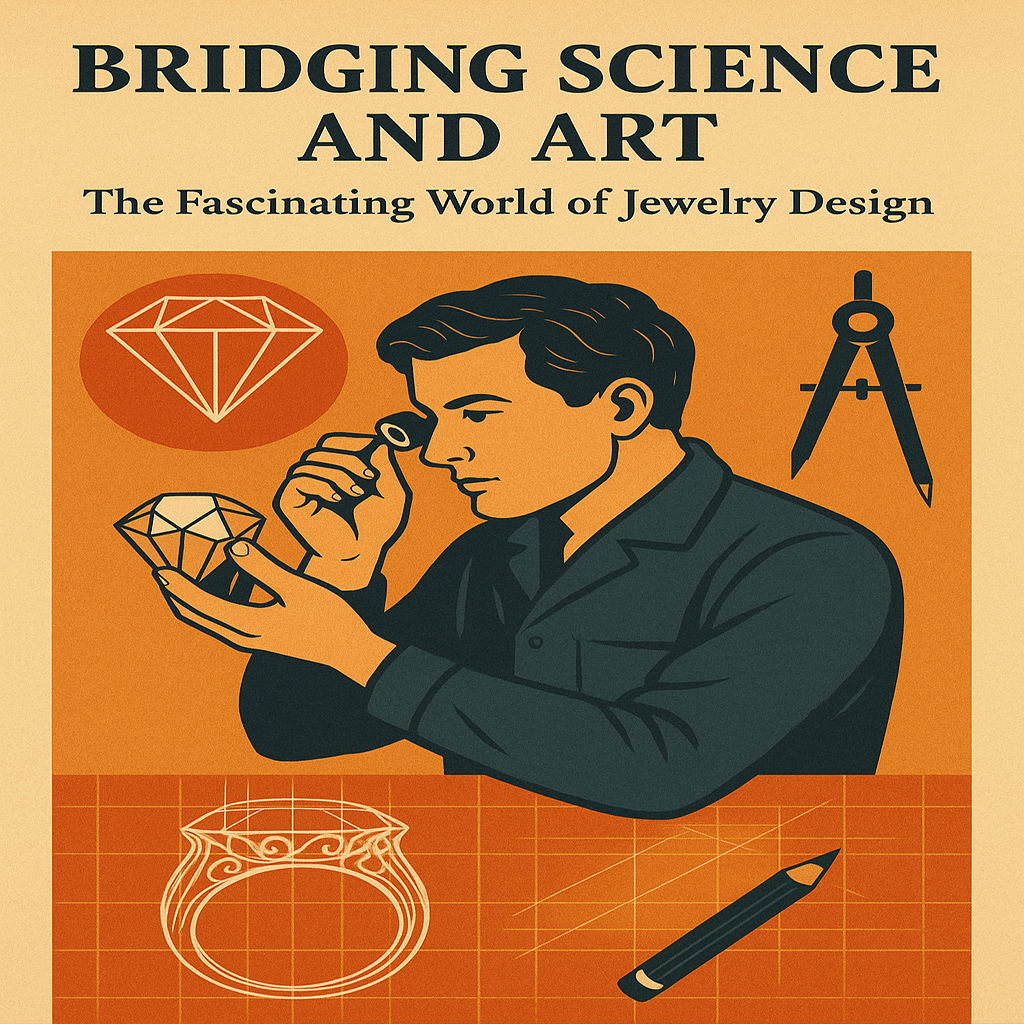
Jewelry design is more than just crafting beautiful pieces, it’s where science meets art in perfect harmony. Every gemstone, metal, and intricate design is the result of a deep understanding of physics, chemistry, and aesthetics. It’s a field that demands creativity, technical skill, and a keen eye for detail.
From ancient civilizations to modern ateliers, jewelry has always been a reflection of both artistic expression and scientific knowledge. Designers must understand materials, their properties, and how they interact under various conditions. This balance between creativity and precision is what makes jewelry design so captivating.
The Science Behind Stunning Creations
At its core, jewelry design relies heavily on science. Gemologists study the physical and chemical properties of gemstones to determine their quality, durability, and authenticity. Metallurgists work with different metals, understanding how they react to heat, pressure, and various treatments.
The process of designing a piece involves complex calculations. Jewelers must measure proportions, understand weight distribution, and ensure structural integrity, all while maintaining an elegant aesthetic. Advanced techniques like laser cutting, 3D modeling, and CAD (computer-aided design) have revolutionized the industry, allowing for precision and innovation in ways never seen before.
The Artistic Vision Behind Every Piece
While science provides the foundation, art brings jewelry to life. Every piece tells a story—whether it’s a vintage-inspired engagement ring or a contemporary avant-garde necklace. Designers draw inspiration from nature, history, architecture, and even emotions to craft pieces that resonate with people on a personal level.
Jewelry design is also deeply tied to cultural heritage. Traditional techniques, such as filigree, enamel work, and hand engraving, have been passed down through generations, keeping the artistry alive while integrating modern advancements.
The Path to Becoming a Jewelry Designer
Becoming a skilled jewelry designer requires dedication, education, and hands-on experience. Many start with formal training in gemology, metallurgy, or fine arts. Studying these disciplines provides a strong foundation in understanding materials, design principles, and technical processes. Apprenticeships and mentorships with master jewelers are invaluable, as they provide practical insights, industry knowledge, and exposure to real-world challenges. Learning from experienced professionals helps aspiring designers refine their craftsmanship and develop their own unique styles.
Technology has also played a significant role in modern jewelry design. Digital tools such as the CAD, to experiment with intricate patterns, precise measurements, and innovative structures before crafting the final piece. These advancements allow for greater accuracy, efficiency, and creative freedom, bridging the gap between imagination and reality. The fusion of tradition and technology has opened doors for endless creativity in the field, enabling designers to push the boundaries of what is possible while still honoring the timeless artistry of handcrafted jewelry.
A Legacy of Passion and Expertise
One inspiring figure in the world of gemology and jewelry design is Professor Jack Ghazalian. His autobiography, An Autobiography of a Jeweler, Gemologist, & a Scientist: The Life & Legacy of Professor Jack Ghazalian, showcases his journey from humble beginnings to becoming an esteemed gemologist, scientist, and educator. His work bridges the gap between science and art, making invaluable contributions to the jewelry industry.
Jewelry design is not just about beauty—it’s about craftsmanship, innovation, and storytelling. Whether you’re a designer, collector, or simply an admirer, the fusion of science and art in jewelry continues to captivate and inspire.